To many, trekking is a liberating and rewarding activity. Not only does it offer you an escape from the depressing environment of the city, you also get to experience the therapeutic effects of devoting yourself to nature. However, trekking is not as simple as it’s enjoyable. Due to the human comforts we’ve fashioned for ourselves in our homes, exploring nature for prolonged periods means exposing ourselves to both the earth’s abundance and coldheartedness. Like the rest of wildlife, we will be subject to survival.
Here’s how you stay safe in a trek.
Safety Tips for the Modern Trekker
Check the weather forecast.
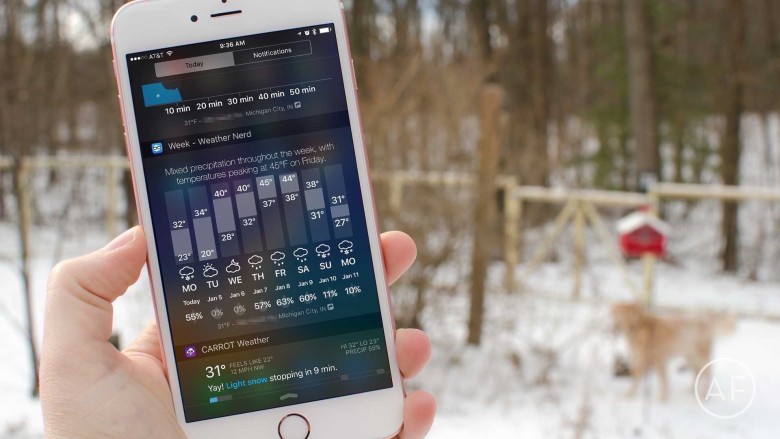
Always check the weather forecast before heading out. It will help you make preparations according to the weather. Also, check if there are forecasts of thunderstorms, snowfall, heavy rains, etc. in the coming days. Avoid trekking in these days if there is any such update. Lastly, know what to do if lightning is in the area.
As much as possible, don’t trek alone.
Studies show that falling is the most dangerous thing that can happen to hikers. Imagine falling down the backcountry without anyone else around to help you, even if you scream for help. When you are trekking in a group, make sure that you don’t walk so fast that the slowest members of the group are left behind.
Pack the essentials.
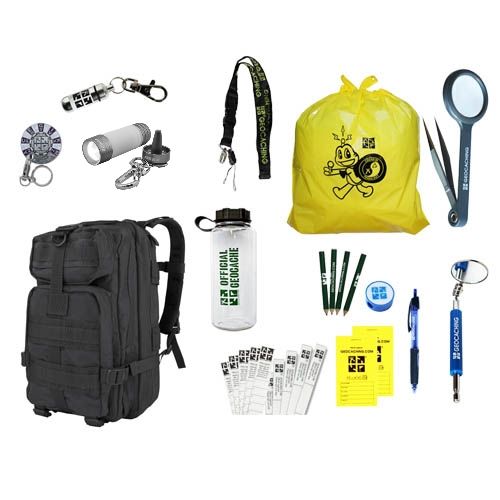
First assembled in the 1930s by the Mountaineers, a nonprofit outdoor community of 14,000 active members in the Pacific Northwest, the ten hiking essentials are a must for every hike or trek. The list includes navigation, illumination, sun protection, first-aid and hygiene supplies, tools, fire, shelter, nutrition, hydration, and insulation.
In case of emergencies, you will need to have a way to track your location and alert someone if you are lost or injured. Note that mobile phones may not work in the wilderness. That’s why you should equip yourself with a GPS tracking device instead. Not only can these devices provide maps and navigational systems, but they also offer the feature of sending an alert to the authorities, a friend, or a loved one if you badly need help. Have a paper map and compass just in case the tracker stops working.
Pack light.
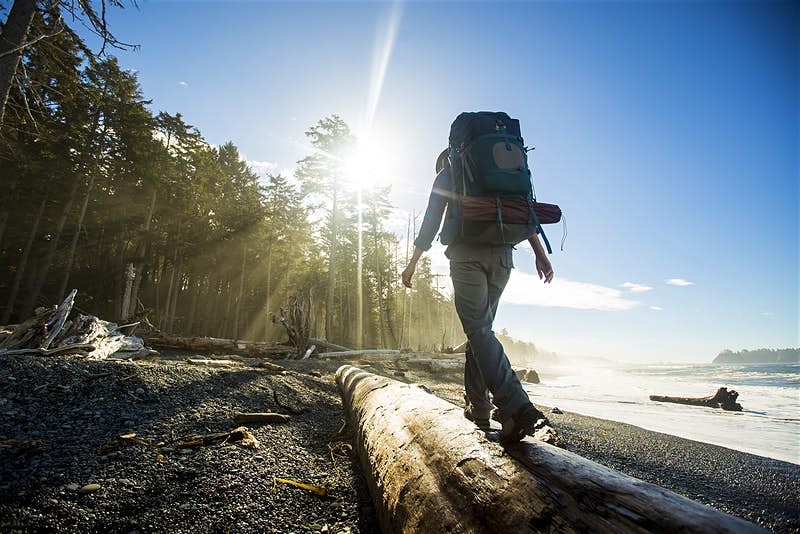
The bare essentials should be what takes most, if not all, of the space inside and the weight of your bag. Don’t carry unnecessary stuff. Carrying a light backpack will help you preserve energy for the long trail ahead.
Prepare for animal encounters.
In case of a chance encounter, learn the basics of escaping an animal attack. A good trekker should also have the knowledge of the animals in the area and how to understand animal behavior. Wear full-sleeved shirts and full pants especially at night to prevent insect bites.
Conquering heights and forest trails is no easy task. So before you ruin your adventure over insect bites, sunburn, an unexpected downpour, or God forbid, an accident, make sure you’ve prepared yourself for whatever comes your way to make trekking as rewarding and enjoyable as it was intended. Stay safe!
Video
 IdealGPSTrackerforTravel