For this generation, traveling has become almost second nature. In fact, a whopping 72 percent of millennials say they’d rather increase their spending on experiences over physical things. If you’re part of the 72 percent, well, not so fast. Before you pack your bags, don’t forget about keeping yourself safe while you’re far from home. You don’t want to ruin an adventure after a single meal, a preventable disease, or a common scam. Every traveler needs to employ safety precautions to ensure that the trip is as enjoyable as it was expected to be.
So how do you ensure smoother trips in your next adventure?
Traveling in 2020? Here Are Tips for Smoother Trips
Research is key.
It’s 2020, and most, if not all, of the information you need to know about your destination is one search button away. No excuses. Learning everything about your destination must be your top priority as a traveler. Imagine being taken advantage of if you don’t understand a country’s currency. Or the health problems you could face if you don’t know the necessary vaccinations for your destination. Look up the best place to stay in and know which people to trust. What could be the best neighborhoods and the ones you should avoid? Is there a medical center in the city, just in case? When it comes to accommodation, what are former guests saying about their experiences? How do you get around the city? What will public transportation be like? Do you need to rent a car? Are there only certain kinds of taxis you should take? Are there scams common in that area? Are there cultural norms you should respect?
Get yourself travel insurance.
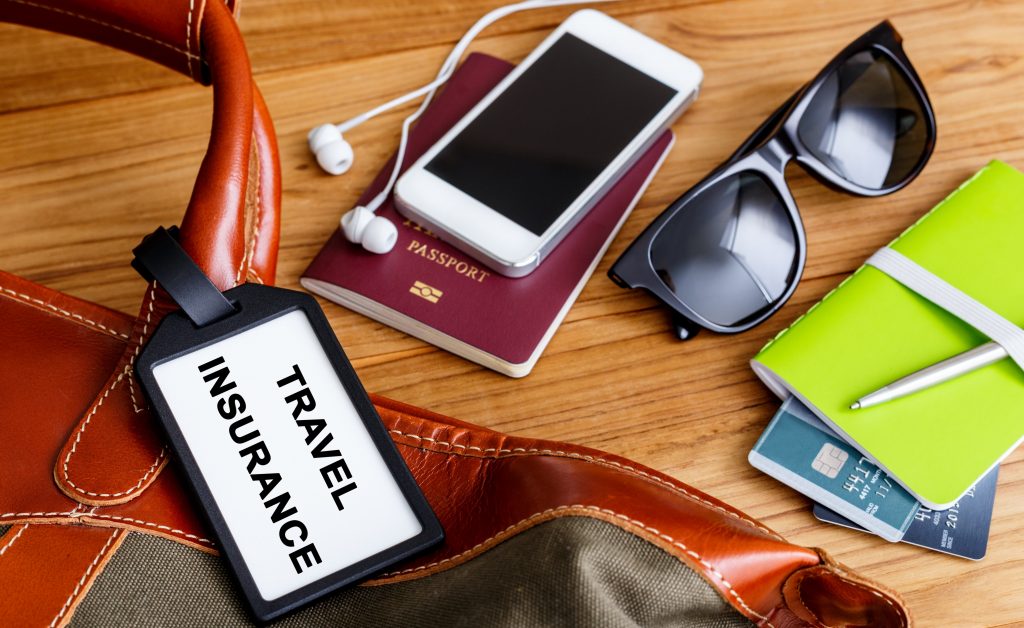
The benefits of travel insurance should not be underestimated, especially if you travel constantly. It could literally save your life! Whether you got sick from food in Thailand or tripped on a root while hiking in Patagonia, things can go wrong. If you don’t invest in travel insurance, you’ll have to head home after an injury or pay medical costs up front. But if you’re insured, you can claim many of these expenses back. You can almost completely relax if you have travel insurance. You never know you need it until you do.
Visit your government’s official travel site.
Many government travel websites have information on the necessary documents you’re required for traveling. Aside from that, these travel websites also include any warnings, known difficulties, and current threats to the safety of tourists in many countries. The US Department of State has a page for every country in the world, for example. Here are links for travel alerts for United Kingdom, United States, and Canada. If you’re staying abroad for weeks, registering as a citizen traveling solo abroad is a good idea.
Keep copies of documents and an emergency stash of cash.
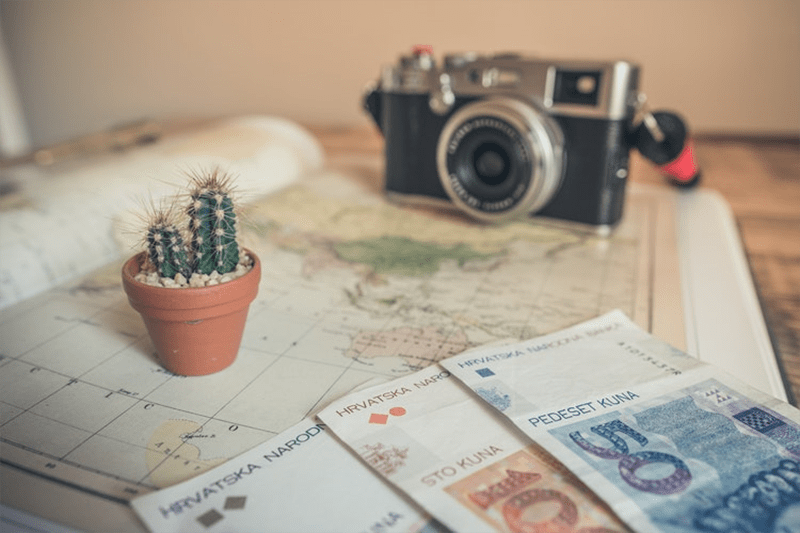
It’s wiser to be ready for the worst! Your wallet might get stolen, your credit cards might be maxed out, or you might need to go to the hospital. Always keep front and back copies of your credit cards, IDs, and other important documents somewhere. Save more of these copies to cloud storage like Google Drive, Dropbox, Apple Wallet, or Google Pay. In addition to these, keep an emergency stash of money. Hide that money in a secret spot within your luggage. In a separate spot, hide a backup credit card.
Prepare an emergency plan.
If disaster strikes, you might not have time to search for numbers of the local police or ambulance services or directions to the nearest embassy for your country. You may also be too stressed and panicky to think straight. Come up with an emergency plan. Write down emergency numbers, important addresses, and plans of action on a small card or sheet of paper. Perhaps have it laminated to protect it from moisture, then keep it in your purse.
Equip yourself with a GPS tracker.
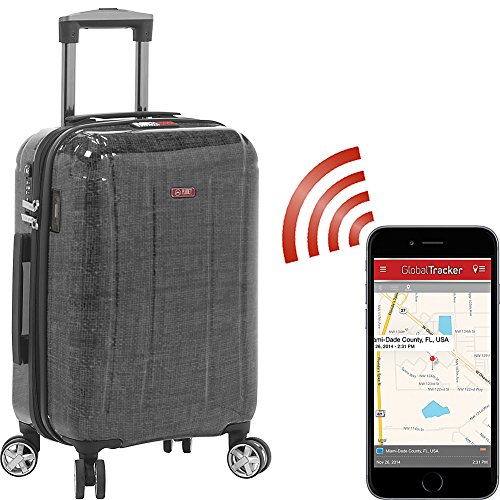
A GPS tracker should be every modern traveler’s best friend. The device doesn’t take much space inside your bag or add to your luggage’s weight since there are trackers as slim and small as a credit card. As an added feature, there are GPS trackers equipped with light sensor technology that alerts you when your backpack or luggage is opened. With a GPS tracker, you can track your luggage anytime and anywhere in the world, helping you quickly find your luggage in case it goes missing. GPS trackers are pretty inexpensive as well, and many come with an SOS button that you can use during emergencies to notify the authorities and your family.
Stay connected.
Stay in touch with your loved ones by using an unlocked phone and purchasing a SIM card in each new country. Or check if your cellular service provider offers an international travel data plan that suits your budget. Having data abroad will greatly help you in case you get lost or get into trouble. Once you’ve finalized your itinerary, also make sure your loved ones know about it. You can email your full itinerary to a few family members. This way, if they don’t hear from you for a few days after your supposed return, they can help notify the proper local authorities.
And although this is obvious, we’ll tell you anyway: don’t forget to pack a portable charger and a power bank to keep your phone juiced up and ready for an emergency call.
Take only what you need on a stroll.
If you’re just leaving your hotel room to have dinner out, there’s no need to bring all your credit cards, your passport, your jewelry, and $500 in cash. Take only what you need for the short walk, like a debit card and maybe $50. Keep the rest locked up in your accommodation. If the guesthouse, hotel, or lodging you’re staying at doesn’t have a locker or safe for you, use a portable safe instead.
Never trust strangers.
This should have gone without saying. If you’re ever tempted to post your itinerary public on Facebook, it can be a roadmap for someone with ill intentions.
Sometimes, we want to belong to a group so badly that we start trusting people before we should. But never tell someone you just met which hotel you’re staying either in words or actions. You can always be vague about an area or town rather than the specific name of your hotel. Or lie and name a hotel you’re not actually staying at. If you’re just getting to know someone, don’t trust them to guard your belongings while you’re in the bathroom. Do not accept food or drink from them, and do not go somewhere with them unless they are your licensed tour guide. It’s not rude to be cautious!
Stay sober on the road.
Of course this doesn’t mean you should avoid drinking altogether. Instead, pace yourself. Drink slowly. Always be attentive. Someone might distract you to slip something into your glass. Most importantly, it’s not the time to keep up with people who have high alcohol tolerance, especially in countries where it’s common. Remember, your judgment becomes largely compromised by alcohol and other drugs. Whatever the drug or drink of your choice, it’s best to stay sober when traveling far from home.
Bon voyage and travel smoothly!
Video
 IdealGPSTrackerforTravel